Mastering the Art of Espresso, Pour-Over, and French Press at Home
Introduction (Hook for Readers + SEO Value)
Imagine waking up to the rich aroma of coffee filling your kitchen – not just any coffee, but a perfectly brewed cup that rivals your favorite café. Brewing coffee at home isn’t just convenient; it’s an art that transforms simple beans into a soul-soothing ritual. Whether you’re a casual coffee drinker or a passionate enthusiast, learning to master espresso, pour-over, and French press can take your coffee experience to a whole new level.
In this guide, we’ll cover step-by-step brewing techniques, essential equipment, and expert tips to help you make barista-level coffee – right in your home kitchen.
Mastering the Art of Espresso, Pour-Over, and French Press at Home
There is something deeply satisfying about brewing your own coffee—a moment of quiet ritual that turns a simple kitchen into your personal café. The beauty of coffee lies not only in its taste but in the process: the aroma of freshly ground beans, the delicate balance of water and heat, and the final sip that carries all the effort in a single cup. Learning to brew like a barista isn’t about owning the most expensive equipment or replicating a café menu at home. It’s about understanding the techniques that unlock the best flavors from your coffee beans. In this guide, we’ll explore three of the most celebrated brewing methods—espresso, pour-over, and French press—and show you how to master them right from your kitchen.
Espresso – The Heart of Café Coffee
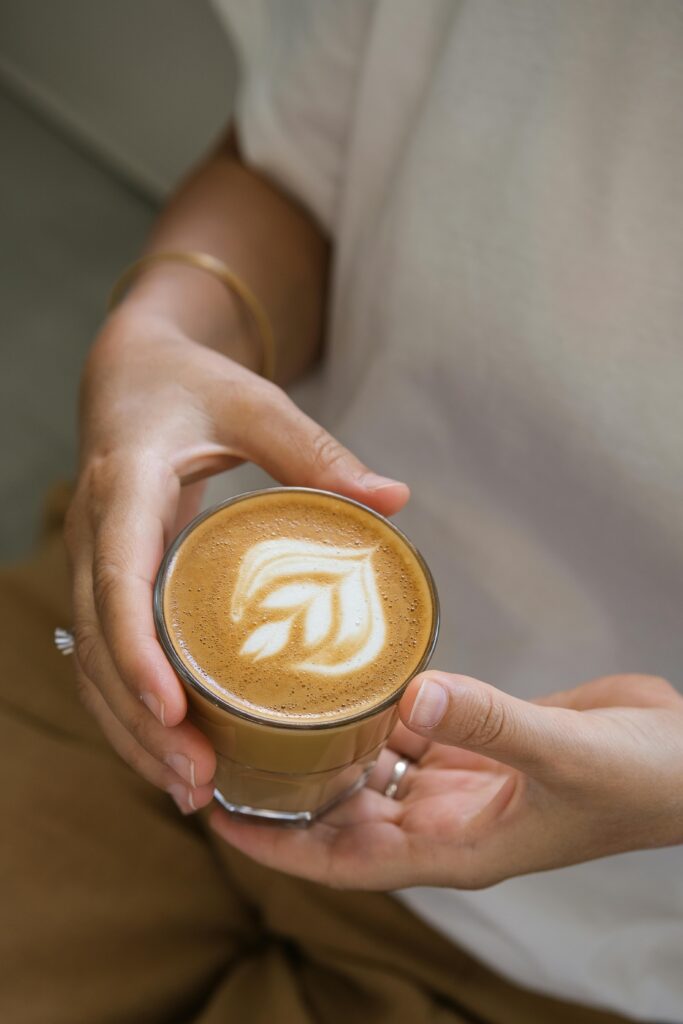
Espresso is often considered the foundation of modern coffee culture. It’s rich, concentrated, and bursting with flavor, forming the base for drinks like lattes, cappuccinos, and macchiatos. To make a truly great espresso, you need to start with freshly roasted beans, ideally medium to dark in roast profile. Grind them just before brewing, aiming for a fine, even texture—think table salt. Preheating your espresso machine, portafilter, and cup ensures that every drop of extracted coffee retains its heat and consistency. When you dose your coffee into the portafilter, use around 18–20 grams for a double shot and tamp it down with firm, even pressure. This ensures proper water flow through the coffee bed during extraction. As you press the brew button, watch for a steady stream of espresso forming in about 25 to 30 seconds. If your shot tastes sour, your grind may be too coarse; if it’s bitter and harsh, try a slightly coarser grind or reduce the extraction time. Great espresso is all about balance—and once you get it right, it’s unbeatable.
Pour-Over – Clean, Bright, and Aromatic
For coffee lovers who crave clarity and complexity in every sip, pour-over brewing is an art worth mastering. Unlike espresso, which is bold and intense, pour-over coffee offers a delicate cup where the subtle notes of the bean shine through. The process begins with a medium-coarse grind, similar in texture to sea salt. Set up your dripper—like a V60, Chemex, or Kalita Wave—on top of your cup or carafe, and place a paper filter inside. Rinse the filter with hot water to remove any paper taste and preheat your brewing vessel. Add your coffee grounds, using a ratio of roughly 15 grams of coffee to 225 milliliters of water. Start by pouring just enough hot water (around 90–96°C) to wet the grounds and let them “bloom” for about 30 seconds. This allows carbon dioxide to escape, resulting in a cleaner taste. Then, pour the remaining water in slow, controlled spirals, maintaining an even saturation of the coffee bed. The entire brewing process should take about three to four minutes. What you get is a bright, aromatic cup that’s smooth and refreshing—a perfect choice for slow mornings or quiet afternoons.
French Press – Rich, Bold, and Comforting
If you enjoy coffee with depth and a full-bodied character, the French press is a classic choice. Unlike pour-over, where water passes quickly through the coffee, the French press uses immersion brewing, allowing the coffee grounds to steep directly in hot water. Begin with a coarse grind, similar to breadcrumbs, to prevent over-extraction and unwanted bitterness. Add your coffee to the press—about 30 grams for 450 milliliters of water—then pour in water heated to around 93–96°C. Stir gently to ensure even saturation and place the lid on top. Let it steep for four minutes, then press the plunger down slowly and steadily. What you’ll pour into your cup is a robust, velvety brew with a texture you simply can’t get from other methods. For a cleaner taste, skim off the foam layer on top before plunging. Serve immediately, as leaving coffee in the press can make it bitter over time.
Final Thoughts
Brewing coffee at home can be as simple or as sophisticated as you want it to be. Espresso, pour-over, and French press each have their unique charm, and learning them not only elevates your daily cup but also deepens your appreciation for coffee itself. The key is consistency: use fresh beans, invest in a quality grinder, measure your inputs, and don’t skip on cleaning your equipment. With practice, you’ll begin to taste nuances you never noticed before—floral hints in a pour-over, chocolate undertones in an espresso, or the comforting depth of a French press. When you finally take that first sip of a perfectly brewed cup you made yourself, you’ll understand why baristas call coffee both a science and an art.
Leave a Reply